


Education That Supports Better Design
At Reading Rock, we offer AIA-accredited continuing education courses designed to support architects and design professionals with practical, real-world knowledge while helping you earn the Learning Units you need.
Our courses explore materials, applications, and best practices that impact performance, durability, and design intent, so you’re not just earning credits, you’re gaining insight you can actually use.

Learn. Lunch. Earn AIA Credits.
Find an AIA Accredited Course that Fits Your Company's Needs
Browse our courses
Block Courses
Climate-Responsive Design: Balancing Resilience, Thermal Performance, and Embodied Carbon with Concrete Masonry
AIA Course Number 25-ST1
1.0 AIA/CES LU or 1.0 PDH credit
Course Overview
This course explores how using concrete masonry units (CMU) in the built environment provides an integrated approach to climate-responsive design by simultaneously addressing three critical sustainability strategies: resilience, operational energy use, and embodied carbon reduction. Participants will examine how CMU construction offers inherent solutions to modern building challenges, from natural disasters and extreme weather events to energy conservation and carbon footprint reduction. The course demonstrates that CMU structures perform beyond code requirements without additional measures, providing durable, cost-effective buildings that support community resilience while contributing to low embodied carbon goals.
Learning Objectives
1. Describe architectural versatility of concrete masonry construction and how CMU offers countless colors, textures, and finishes.
2. Summarize how concrete masonry offers inherent resilience strategies that exceed building code requirements and discuss how concrete masonry can help to redefine affordability by reducing repair and recovery expenses after extreme events.
3. Investigate how concrete masonry's thermal mass provides energy efficient designs and can help reduce operational energy use.
4. Explore groundbreaking industry research demonstrating concrete masonry's low embodied carbon. Investigate three key factors: lower cement content due to a unique manufacturing process, accelerated carbon sequestration, and hollow core design reducing concrete volume.
Inherent Resiliency of Concrete Masonry
AIA Course Number 25-RS1
1.0 AIA/CES LU or 1.0 PDH credit
Course Overview
Concrete masonry construction is resilient on its own, without the need for special provisions or extra fortifying costs, and it doesn't need to be rebuilt after most natural or human-made disasters. Concrete masonry is inherently resilient beyond code requirements. By considering lifecycle costs rather than just initial construction expenses, concrete masonry offers significant advantages, including buildings that can withstand extreme events, reduce recovery costs, and maintain community continuity—qualities that are becoming increasingly important as disasters occur more frequently across all regions of the country.
Learning Objectives
1. Summarize how concrete masonry construction offers interconnected resilience strategies.
2. Explore the intent of Building Codes and how minimum safety requirements are addressed.
3. Evaluate examples of how concrete masonry construction is inherently resilient across the country for both natural and human-disasters.
4. Investigate first cost saving design strategies and redefine affordability to include durable and resilient structures that don’t need to be rebuilt.
Smart Applications for Concrete Masonry
AIA Course Number 25-CP5
1.0 AIA/CES LU|HSW or 1.0 PDH credit
Course Overview
Smart Applications for Concrete Masonry Systems" explores how concrete masonry units (CMU) function structurally and reviews their diverse applications in construction. CMU's intrinsic values including durability, energy efficiency through thermal mass, fire resistance, ballistic protection, sound attenuation, and storm resilience are covered. It examines various applications from cavity walls and single-wythe structures to fire walls, stairwells, corridors, and public spaces, emphasizing how concrete masonry provides both functional benefits and aesthetic possibilities while offering superior performance.
Learning Objectives
1. Review how structural concrete masonry walls work. Understand basic terms associated with structural masonry.
2. Review intrinsic values for concrete masonry wall systems and how these qualities help exceed code requirements.
3. Develop a better understanding for common applications for structural masonry systems.
4. Explore new design options with modern concrete block systems.
Stone Courses
In Partnership with Westlake Royal Stone Solutions
Designing Commercial Projects with Manufactured Masonry
Course # WRSS-2024-05
1.0 LU I HSW
Course Overview
Design guidelines for sustainable manufactured stone veneer buildings, including product innovations and industry related education.
Precision & Performance with Manufactured Stone Veneer
Course # WRSS-2024-03
1.0 LU I HSW I IDCEC
Course Overview
Explore manufactured stone veneer as an inspirational design element, born from innovative technology and creative solutions.
Architectural Stone Veneer: Designing With Nature in Mind
Course # WRSS-2024-04
1.0 LU I HSW I IDCEC
Course Overview
Discover how incorporating architectural stone veneer into your project can help promote well-being, sustainability, and design versatility.
Architectural Stone Veneer: Transforming Spaces Through Color & Texture
Course # WRSS-2024-02
1.0 LU I HSW
Course Overview
Understand the benefits of specifying architectural stone veneer in your design projects and learn about proper installation techniques
Elevating Design with Architectural Stone Veneer
Course # WRSS-2024-07
1.0 LU I HSW I IDCEC
Course Overview
Explore how stone veneer contributes to biophilic design principles and helps architects specify for changing residential building trends.
Code Compliance for Masonry Adhered Veneer Systems
Course # WRSS-2024-01
1 LU I HSW
Course Overview
Review current masonry requirments for designing and detailing code compliant adhered veneer systems.
Manufactured Stone Plant Tour
Course # WRSS-2024-06
1 LU I HSW
Course Overview
A one-hour tour of the manufacturing process of MSV, including detailed overview of accreditation, production, packing, storage, and transportation.
RockCast Courses
The Nature of Thin and Lightweight Stone Veneers
Program #: NTLSV
1.0 AIA/CES LU|HSW
Course Overview
This program will provide an overview of how stone as a building material has evolved in today’s construction techniques utilizing thin and lightweight products as a Veneer/Trim and how they are quickly becoming an alternative choice for masons, architects and designers. Emphasis will be on installation methods utilizing adhered, rain screen and mechanical/adhered with EPS foam core installations.
Learning Objectives
1. Describe how architectural stone is manufactured thin or lightweight.
2. Discuss three application methods: adhered, rain screen, and
mechanical/adhered with EPS foam core installation with detail steps for each,
including moisture control and compatibility with building codes.
3. Analyze cost comparisons, pros/cons between full, thin & lightweight veneers.
4.Technical Design Considerations
5.How to specify. Overview of appropriate ASTM specifications for adhered, rain
screen and mechanical installations.
6. Recognize health-safety-welfare qualities of thin & lightweight stone veneers, as well as in its fabrication and installation techniques.
Exterior Wall Systems for Adhered Veneers
In Partnership with LATICRETE International, Inc.
Program #: AIA-32
1.0 AIA HSW SD
Course Overview
This CEU will cover traditional installation and how air and water moves through it, and then we will cover the evolution of wall systems driven by energy saving building codes. The presentation will cover the different classes of air barriers, what their functions are, and how they affect the building. It will also dive into the difficulties of properly detailing air barriers. The CEU will also talk about continuous insulation and drainage planes, their purpose and function, how they work and how to detail such installations. As these wall components become more frequent as the push for more efficient, healthy, and safe building, all of these components are playing a crucial role in designing exterior wall systems.
Learning Objectives
1) Understand what a thin veneer system looks like
2) Compare the different functions of the
3 classes of air barriers.
3) Understand the importance of properly design an air barrier system.
4) Understand the different components and the role each of them plays within the wall system and life of the building.
5) Understand the certifications, approvals and testing of these components.
Enhanced Performance Installation Systems for Thin Adhered Masonry Veneer (AMV)
In Partnership with LATICRETE International, Inc.
Program #: AIA-20
1.0 AIA HSW SD
Course Overview
This CEU will focus on new installation methods, substrates, and air barrier options for thin Adhered Masonry Veneer (Thin Brick, Manufactured Stone, and Thin Cut Natural Stone) exterior façade finishes. Standards development and code compliance will be discussed. Legislation for improved energy efficiency and the effects on core and shell design will be presented. Attendees will gain an overall understanding of some of the new building envelope construction methods and will develop a better understanding of the influence of energy efficient design on construction trends.
Learning Objectives
1) Understand the design principles and products related to thin adhered masonry veneer.
2) Compare and contrast the traditional versus new technology installation systems to adhere thin veneer products to the exterior façade of a building.
3) Review standards development and code compliance for adhered masonry veneers.
4) Develop a better understanding of how the green trend is affecting core and shell design, and the future requirements for incorporating energy efficiency into structures.
5) Analyze the cost comparison between traditional methods and new technology installation methods for adhered masonry veneers.
Thin Brick
Designing with Thin Brick & Thin Brick Systems
In Partnership with speedymason
Program #: AIA-20
1.0 AIA HSW SD
Course Overview
Thin Brick and Thin Brick Support Systems arebecoming increasingly popular throughout thebuilding industry in both commercial and residentialconstruction. This course goes into depth about thinbrick, design options and support systems.
Learning Objectives
1. Types of Thin Brick
2. Thin Brick Support Systems
3. Embedding Thin Brick into Concrete
4. Designing with Thin Brick
Introduction to Thin Brick
Program #: ABC114.2
1.0 AIA/CES LU | HSW
Course Overview
Today’s building designers are rapidly increasing the use of adhered cladding systems and materials. Thin brick is becoming a popular adhered cladding material and as a result many brick manufactures are beginning to produce more thin brick. This presentation is an introduction to thin brick, its’ characteristics, installation methods and its’ common uses.
Learning Objectives
1. Define thin brick and its’ different characteristics that contribute to healthy building environment.
2. Describe the different methods of producing thin brick and why it matters to you.
3. Describe the different installation methods for thin brick and how they contribute to a safe building environment.
4. Comparison of thin brick to face brick.
Thin Brick Design
In Partnership with Summitville Tiles & Thin Brick
Program #: SVT6
1.0 AIA/CES LU | HSW
Course Overview
This AIA course discusses the advantages of designing and specifying with Architectural Thin Brick for exterior and interior wall applications.
Learn about this cost effective product and how it can be incorporated in most all commercial projects in the ever growing thin veneer market. This course gives insight to the specifications governing thin brick and thin brick installation methods. Participants will learn and compare the various types of thin brick, the many options for installation of this product, and the design considerations present in different installation methods.
Learning Objectives
1. Define Thin Brick Production Materials & Specifications
2. Discuss Sustainable Advantages of Thin Brick
3. Describe Different Installation Methods for Thin Brick
Faced Projects
4. Design Considerations – Explore Ways to Create Your Envisioned Façade.
Brick
Differential Movement and Expansion Joints in Brick Veneer
Program #: ABC109
1.0 AIA/CES LU | HSW
Course Overview
An illustrated discussion of the construction and function of brick veneer expansion joints, as required by thermal and moisture movements of brick and other building materials. Examples of cracks and other distress caused by incorrect expansion joint placement clearly illustrate the importance of proper joint placement.
Learning Objectives
1. Learn how temperature and moisture changes cause brick and other materials to move at different rates.
2. Learn difference between concrete masonry control joints and brick expansion joints.
3. Receive practical guidelines for placing expansion joints in brick veneer.
4. Learn the proper construction of expansion and control joints.
Plant Tour of Brick Manufacturer
Program #: ABC108
1.0 AIA/CES LU | HSW
Course Overview
A pictorial or physical tour of a brick manufacturing plant, witnessing modern brick making, including mining, mixing, grinding and screening the clay or shale; shaping, molding, drying, and firing at approximately 2000 °F; sorting, shading, mingling, packaging, storage and delivery of the finished brick product.
Learning Objectives
1. Learn the process of manufacturing a brick from clay.
2. Learn how brick manufacturers are reducing energy use, greenhouse gas emissions and waste.
3. Learn what happens to a clay pit after the clay is extracted.
Learn about the benefits of using brick as a cladding material.
EDUCATION YOUR WAY
Why Choose Our AIA-Accredited Courses?

Maintain licensure and credentials
Our AIA-accredited education provides Learning Units (LUs) and Health, Safety & Welfare (HSW) credits that many architects need to maintain state licensure and AIA membership—making compliance straightforward and reliable.
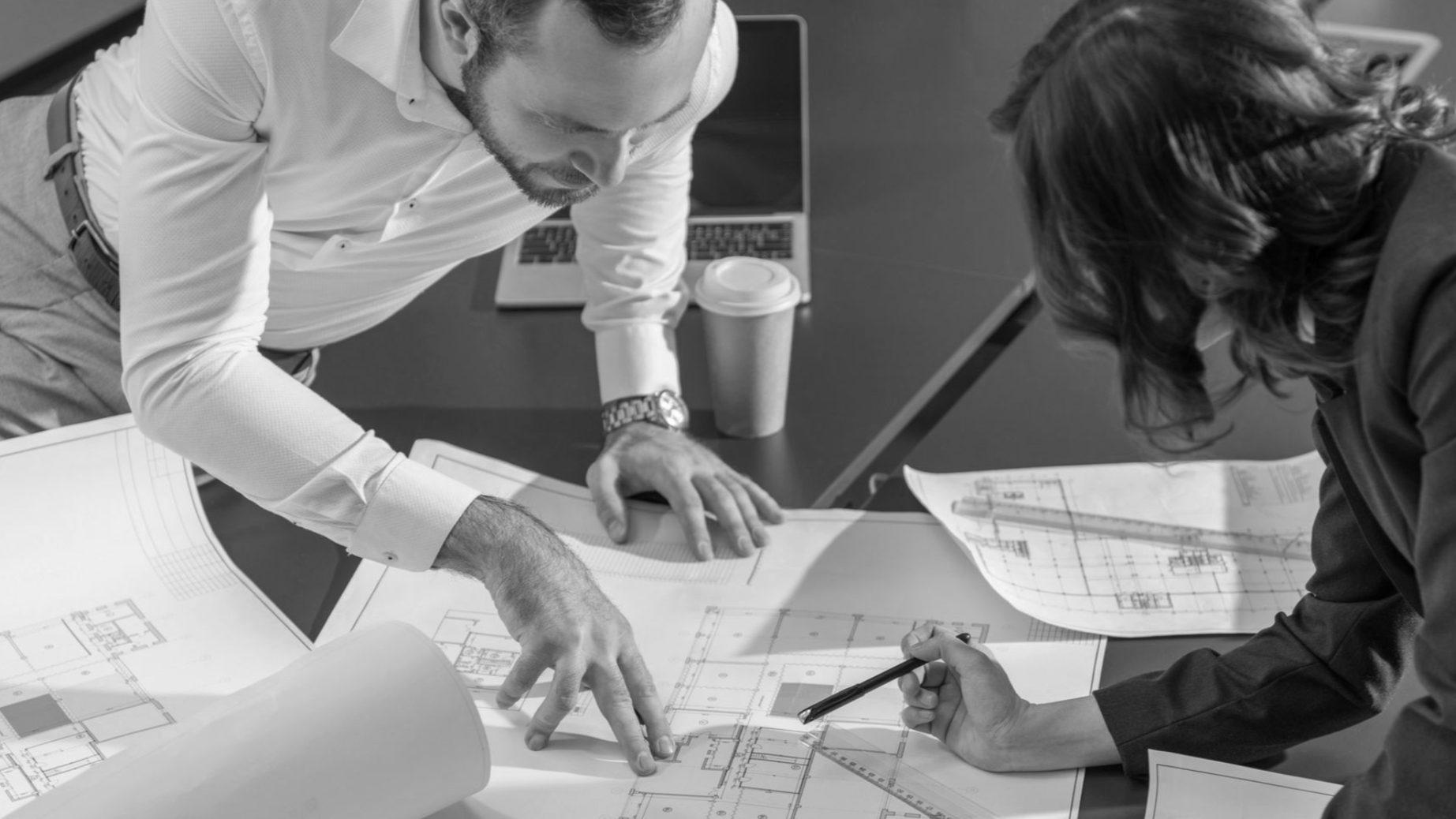
Supporting professional growth and competitiveness
Our AIA-accredited courses help architects stay up to date on codes, materials, sustainability, and emerging trends, strengthening their expertise and value in a competitive industry.

Flexible Learning Options
We know architects’ schedules are demanding. That’s why our AIA-accredited courses are offered through convenient formats, including:
- Live presentations and webinars
- On-demand courses you can complete anytime
- Lunch-and-learn opportunities for firms
Learn at your pace—without sacrificing quality or compliance.
Schedule a Lunch & Learn with us today
Earn your credits. Expand your expertise. Design with confidence.
Continuing education doesn’t have to be a chore
Explore our upcoming AIA-accredited courses and start earning Learning Units while gaining valuable industry insight.